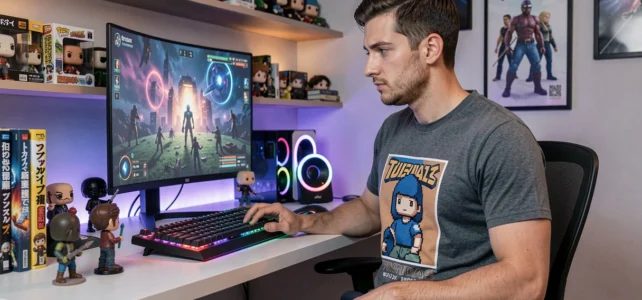
When you open three tabs at the same time to follow a hardware announcement, check a patch note, and read a thread about a manga, you are already deep into geek culture without necessarily realizing it. This universe is no longer limited to video games or science fiction. It now encompasses consumer tech, debates on artificial intelligence, and even the strategies of streaming platforms.
AI and Regulation: The Topic Redefining Tech Culture in 2026
Artificial intelligence is no longer confined to technical demonstrations. It is making its way into courts, stirring regulators, and changing the way we consume music, series, and video games. For geek communities, this evolution is a game changer: discussions on forums and social networks are shifting from product testing to legal and ethical analysis.
This is evident in French-speaking specialized media. KultureGeek notes that AI is “invading everywhere” and “worries regulators,” a more institutional angle than simply testing a chatbot. Tech enthusiasts are now following European legislation on AI as closely as they follow graphics card benchmarks.
The content shared on talkgeekytome.net illustrates this intersection between pure tech and societal issues, where geek news and reflections on digital usage coexist without hierarchy.
This hybridization has a concrete effect: tech monitoring now requires regulatory reading skills. Following a geek news feed without understanding the basics of the AI Act or copyright disputes means missing out on half of the debates.

Video Games and Distribution: A Market in Restructuring
Video games remain the central pillar of geek culture, but the ground is shifting beneath players’ feet. The most notable trend concerns physical distribution. PlayStation has announced the end of physical video games by 2028, which reshuffles the deck for resellers as well as collectors.
At the same time, there are attempts to revive retail. The mention of Micromania in recent tech recaps shows that the physical game market is seeking a second wind rather than a simple extinction. For geeks attached to boxes, steelbooks, and collector’s editions, the period is ambiguous: official announcements push towards digital, but the demand for physical items persists.
Collectibles and Buying-Selling Communities
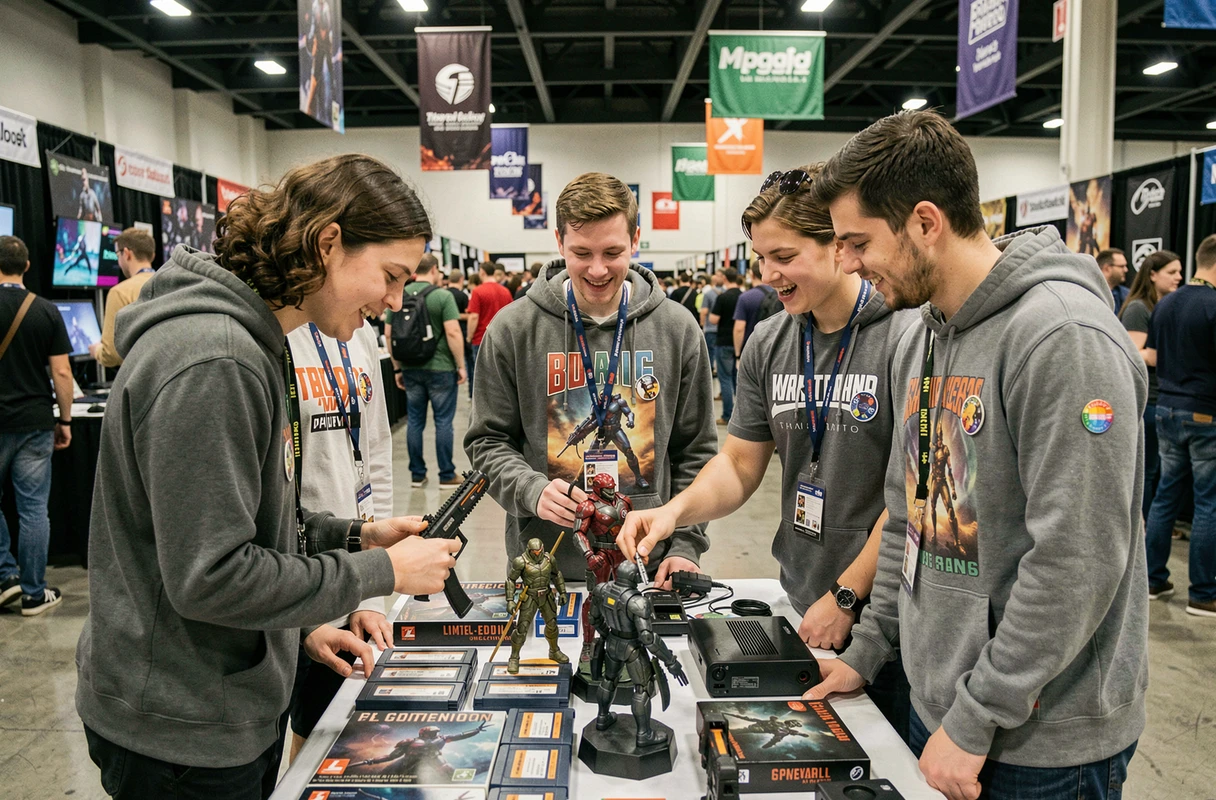
Figurines, limited editions, and the resale market constitute a growing sub-theme. Enthusiast communities are organizing around specialized groups, fairs, and physical conventions. It is no coincidence that the geek trends of 2026 place greater emphasis on in-person experiences than on mere consumption of digital content.
- Conventions (Comic-Con, Japan Expo, regional fairs) attract an audience that wants to touch, exchange, and meet, not just scroll
- Resale platforms for goodies and retro games operate like micro-markets with their own prices and trends
- Collector’s editions of video games or mangas are becoming investment objects for some collectors, not just impulsive purchases
Streaming and Short Formats: What Changes for Geeks
Netflix is looking towards short formats, and this strategic shift directly impacts the geek universe. Science fiction or animation series, historically consumed in binge-watching, could migrate to episodes of just a few minutes. For content creators and anime fans, the short format redistributes attention and alters viewing habits.
We can already see this fragmentation at work on social media, where series clips and anime snippets circulate more than long reviews. Reactions vary on this point: some enthusiasts see it as a dilution, while others view it as a gateway to works they would never have discovered otherwise.
Anime and Manga as Drivers of Francophone Pop Culture
The first half of 2026 confirmed the place of manga in the Francophone cultural landscape. Yuri releases, anime adaptations, and dedicated events (like the San Diego Comic-Con, covered by Journal du Geek) fuel a constant flow of content and discussions.
What distinguishes the Francophone geek community is its ability to cross universes. The same reader follows hardware news, reads mangas, collects figurines, and debates digital regulation. Geek culture functions as a network of interconnected interests, not as separate silos.
Geek Tech Monitoring: How to Filter the Noise in 2026
With the proliferation of sources (specialized media, YouTube channels, podcasts, newsletters), the real challenge for tech enthusiasts is no longer access to information. It’s sorting through it.
- Favor two or three reference media rather than following a dozen overlapping RSS feeds
- Cross-reference Francophone and Anglophone sources to avoid the echo chamber effect on tech topics
- Follow weekly recaps (like those from KultureGeek or PaperGeek) that synthesize hardware, AI, video games, and streaming into one format
- Participate in active communities on forums or dedicated servers, where real-world experience complements the news
Geek culture in France and the Francophone world has never produced so much content. The most effective filter remains assumed specialization: it’s better to delve into three topics than to skim over fifteen news feeds. The geeks who stand out are those who choose their battles, whether it’s hardware, anime, retro gaming, or AI regulation.