
A gently sloping plot, clay soil that retains water after each downpour, a hedge of thuja blocking light across the entire northern part: before choosing any shrub or slab, we first address what is happening beneath our feet and around us. A successful garden design does not start with a plant catalog, but with a careful reading of the land as it is.
Drainage and slopes: the invisible work that conditions the entire garden
The majority of costly mistakes in garden design stem from a poorly anticipated water issue. After heavy rain, we identify areas of stagnation, spots where the soil remains spongy for several days, and streams of water that run along a wall or fence.
If we lay a terrace or a flowerbed in a poorly drained area, we pay for it twice: once at installation, and once at remediation. Correcting drainage before any planting avoids costly remediation. This can involve simply re-profiling the slope with a mini-excavator, installing agricultural drains, or creating a landscaped swale that channels runoff water to a vegetated low point.
We can also consult the Jardiner Facile website to explore techniques suited to each type of soil and configuration.
The other technical point to address beforehand: underground networks. Automatic irrigation, electrical conduits for outdoor lighting, stormwater drainage. Everything that goes underground must be traced and installed before the flooring and planting. Buried elements cannot be corrected afterward without tearing everything apart.
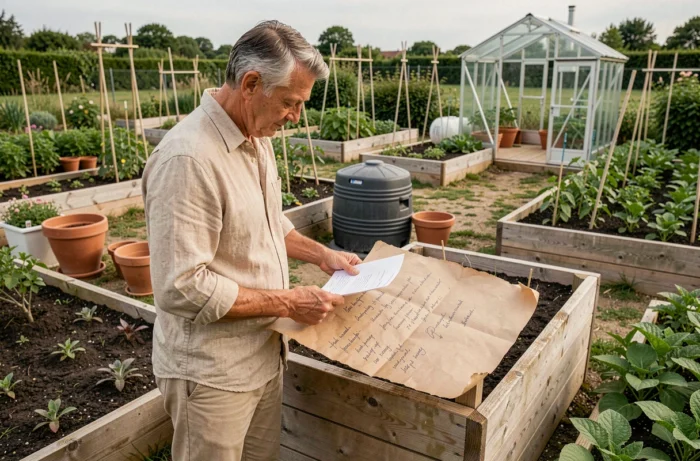
Garden zoning: three spaces before thinking about plants
Competitors talk about “defining your needs.” In practice, we structure the garden around three concrete functions: relaxation, dining, and passage. This zoning imposes a logical circulation plan and reduces hesitations.
Relaxation area and dining area
The relaxation area (hammock, sun lounger, reading nook) is placed in the most sheltered spot from the wind, with sunlight appropriate for the season. If the garden faces south, we shift it under an existing tree or plan for a pergola. The dining area, on the other hand, is positioned as close to the kitchen as possible to limit trips back and forth with dishes.
These two spaces should not overlap. We separate them with a change of materials on the ground (stabilized gravel, wood, slabs) or a low plant border. The change in flooring is enough to delineate the areas without building a wall.
Circulation: paths and access
The routes between the entrance, the gate, the garden shed, the vegetable garden, and the terrace should be straight for frequent passages. We can soften the lines with gentle curves where we stroll, but the path to the side gate or garage remains direct. The minimum comfortable width for a pedestrian path is around two people side by side.
- Main paths in hard materials (slabs, pavers) for daily access, laid on a compacted bed that lasts over time
- Secondary paths in gravel, mulch, or stepping stones for walking areas, with a geotextile underneath to limit weeding
- Sharp borders between lawn and paths (steel, stone, or treated wood borders) to reduce maintenance of the finishes
Choosing suitable plants: prioritize maintenance over aesthetics
A spectacular flowerbed in June that requires three hours of pruning per month in summer is not a successful design. Future maintenance should guide the choice of plants from the design stage. We first select based on soil, exposure, and the time we are willing to dedicate to the garden each week.
In clayey and wet soil, heathland plants suffer. In calcareous and dry soil, classic hydrangeas wither. The basic rule: plant what already grows well in the neighborhood. Opinions vary on this point, but observing the surrounding gardens remains the most reliable diagnosis.
Climbing plants and ground covers to save space
In a modest garden, we exploit verticality. Climbing plants dress up an unsightly wall, a fence, or a pergola without encroaching on ground space. Star jasmine, clematis, honeysuckle: these climbers tolerate varied exposures and require little pruning once established.
On the ground, persistent ground covers (periwinkle, pachysandra, creeping thyme) replace grass in shaded or sloped areas, where mowing becomes tedious. An appropriate ground cover eliminates weeding in difficult areas.

Outdoor furniture and lighting: make the right choices from the start
Garden furniture should be chosen based on actual space, not desire. In a terrace of a few square meters, a large rectangular table blocks circulation. We favor folding or stackable formats that free up space when we are not dining outside.
Regarding materials, wood requires regular treatment, aluminum does not rust but heats up in the sun, and woven resin ages well if protected from UV. The choice depends on the acceptable maintenance time and the garden’s exposure.
- Low-voltage lighting on main paths to secure circulation in the evening, with sufficient solar lights in well-sunny areas
- Recessed spots or string lights for the dining area, to be connected to the underground electrical circuit planned from the start of the project
- Occasional ambient lighting (lanterns, candles) for the relaxation area, without heavy electrical installation
Planning electrical conduits before laying the terrace flooring avoids having to lift everything six months later to add a light.
Garden design is about the order of operations more than the choice of the last decorative pot. Soil, water, circulation, plants, furniture: each layer is placed on top of the previous one. Skipping a step often means returning to it under less favorable conditions and for a higher budget.